

For Moms & Babies
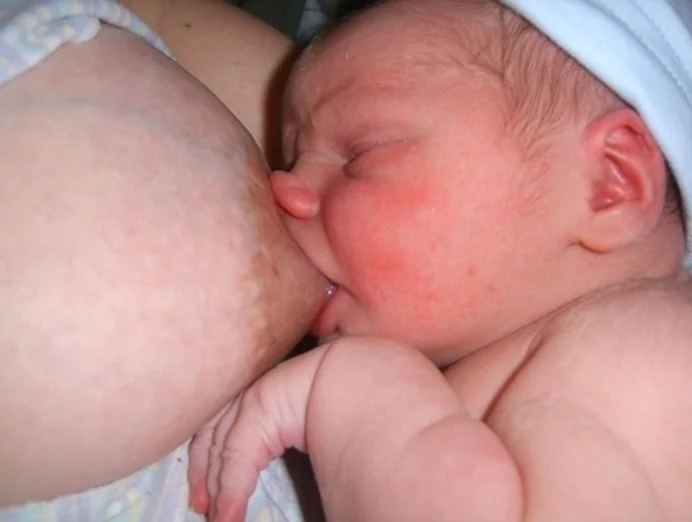
Breastfeeding is hard enough. It should not be painful. Your breast should not be hurting. Your nipples should not be hurting. Sometimes it is your breast. Sometimes it is the baby. Sometimes it is both.
Physical Therapy for you or your baby to make breastfeeding easier.
-

Painful Breastfeeding
Breastfeeding should not be painful. Sometimes it is an issue with the baby. Sometimes it is an issue with the breast. PT can help mom and/or baby so breastfeeding can be successful. Breastfeeding is already hard. PT can make it easier.
Common Issues:
Poor tongue mobility
Raynaud’s of the nipple (vasospasm)
Poor jaw mobility
Body Tension
-

Mastitis
Mastitis can be an infection or just inflammation. If treated while it is just inflamed, we can often prevent the need for antibiotics. Manual lymph drainage and myofascial release can often get at the core of the issue.
Mastitis can sometimes be a result of a poor latch or pumps with a poorly fitting flange or incorrect settings. If the breast itself is not the issue, then correcting the baby’s latch or the pump can be the correct course of action.
-

Latching Issues
Infants can have issues with latching due to numerous issues. Sometimes it is because of restrictions in their own body, like torticollis or poor tongue mobility. Tension anywhere from the hips to the lips can make breastfeeding or bottle feeding more difficult.
-
Bladder Issues
Bladder issues are common after giving birth, whether it is by vaginal delivery or c-section. Some women suffer from stress incontinence, some frequency issues, and others have urgency. These are common, but they are NOT NORMAL. Physical Therapy can help.
-

Bowel Issues
This topic gets discussed the least. Most people do not want to admit that they have urgency or leakage of stool. For some it is just some smearing. For others, it is no sensation to go or a constant sensation to go, or it just feels incomplete. Guess what, there is help for this, too.
-

Sexual Dysfunction
Some women have pain with sex after giving birth. They may have given birth vaginally and had tearing and now have scarring. The pain is real. The fear is real. There are gentle techniques to work on those scars and manage the pain. Don’t suffer in silence
-

Prolapse
After giving birth the bladder, cervix, or bowel can descend into the vagina. It is more common after a vaginal birth, but can also happen after a c-section. A pelvic therapist can help with a variety of techniques.
-

Diastasis Recti: The mom belly
The abdominal muscles separate with pregnancy. Sometimes, they do not bounce back. In many cases, physical therapy can assist in getting the muscles to coordinate their contractions and bring the abdominal muscles back together. Other cases are more severe and may also involve hernias and require surgery. Either way, physical therapy can help regain muscle function.
-

Pains & Weakness
Many women experience various pains after giving birth that may linger and linger. Sometimes it is a straightforward back pain. Other times it is a weird pain that gets shrugged off. There may also just be a feeling of weakness in certain muscles. There is no need to live the rest of your life like that.
