Not all Physical Therapy is the same. Sometimes an exercise-based PT program is right, many times people need much more.
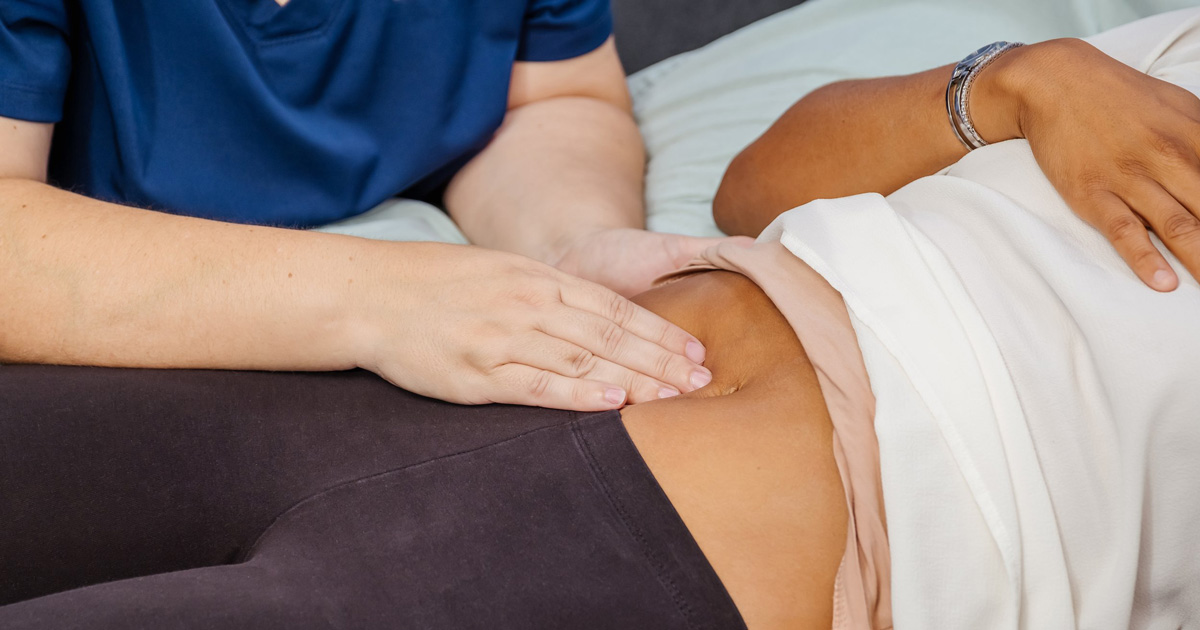
Myofascial release is a very gentle technique that works on the connective tissue that surrounds the muscles and is found throughout the body.

Craniosacral therapy works directly with the connective tissue that surrounds the brain and spinal cord. Tension in this tissue can be responsible for a variety of issues like headaches, migraines, sleep issues and back pain.
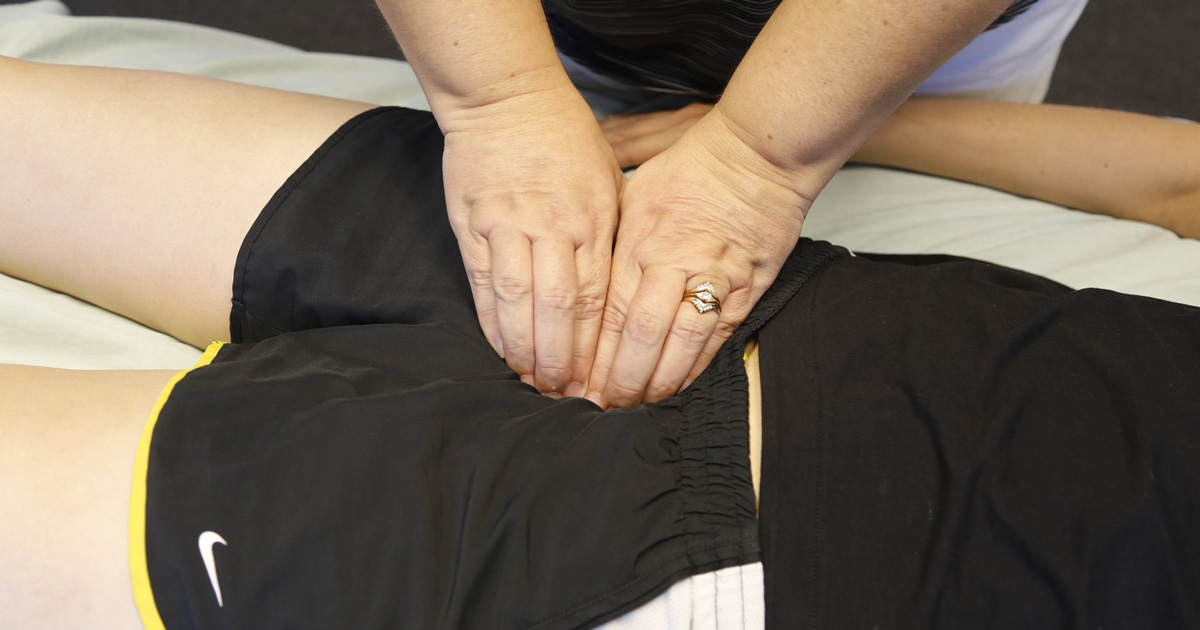
Although the name sounds harsh, it is a very gentle technique. Connective tissue surrounds every organ and there are ligaments that attach the organs to the skeleton. Tension in these ligaments and connective tissue can be responsible for back pain, bladder issues, GERD, and that weird abdominal pain that is there but does not show up on any test. Gently working with this connective tissue can alleviate a lot of discomfort.
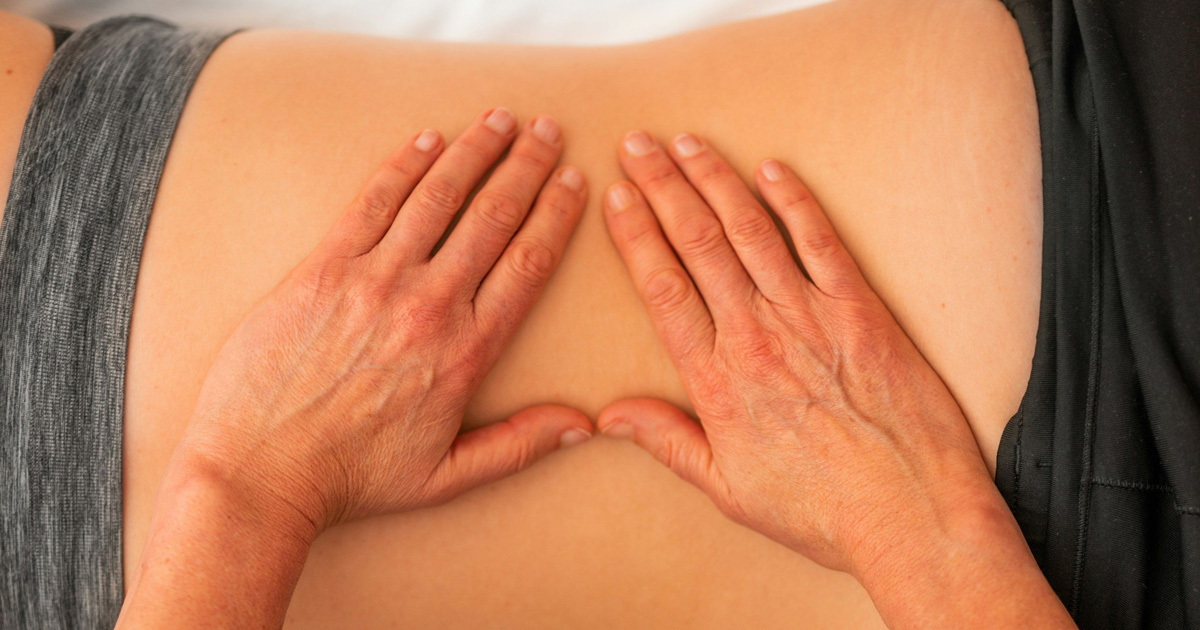
The lymphatic system can become congested for a variety of reasons. Most often it is due to surgery, infection, or allergies and sensitivities. The lymph nodes in the body are full of white blood cells, so anything that is going to make them very active can end up causing congestion. Sometimes the congestion sticks around and needs some help to get the fluids moving again.
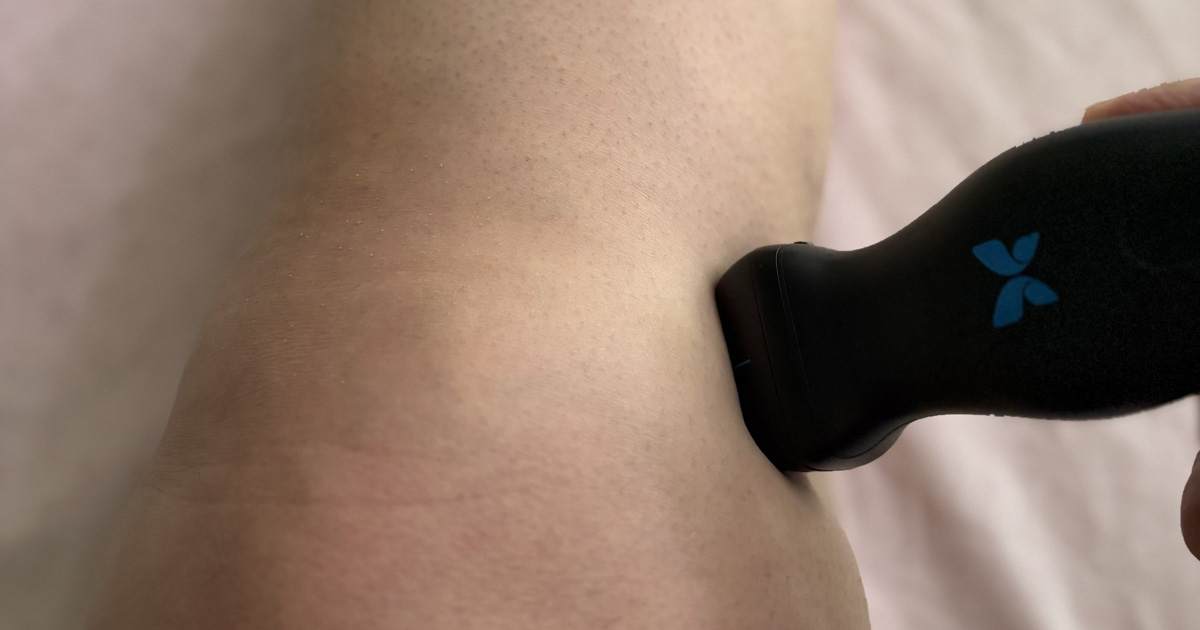
Ultrasound can be used to evaluate the quality of a muscle contraction, the coordination of muscles, and which muscles might not be firing properly. Ultrasound can also be used to measure a diastasis, see how much urine might be left in the bladder after urinating, or as biofeedback to learn how to contract the pelvic floor.
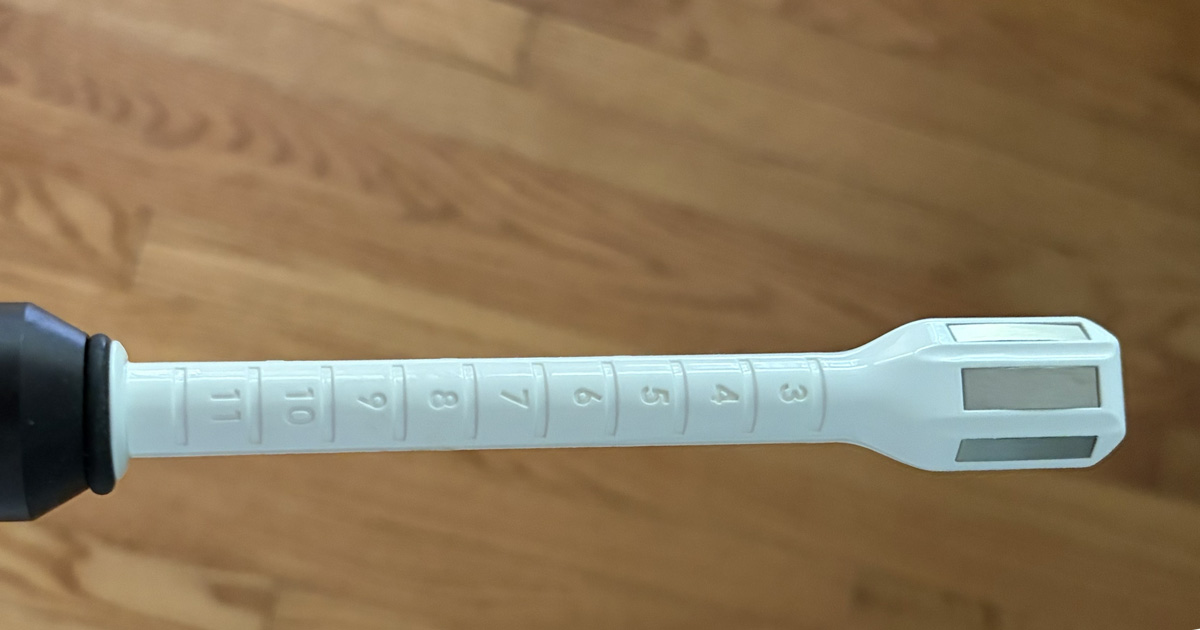
Some women have issues with painful intercourse, vaginal dryness, and vaginal pain. Hormone replacement and pelvic PT should be the first lines of treatment. For those women who cannot or do not wish to use hormones and pelvic PT is not enough, radiofrequency treatment is an option. The wand gently heats the vaginal tissues to prompt a healing response which can improve the quality of the vaginal tissues, lubrication, and decrease pain.

Kinesiotape is a stretchy, cotton tape that can be applied in a myriad of ways to help pain, inhibit contraction of an overactive muscle, facilitate contraction of an underactive muscle, or support the tissues. It is a way to get the therapy to continue after you leave the office.
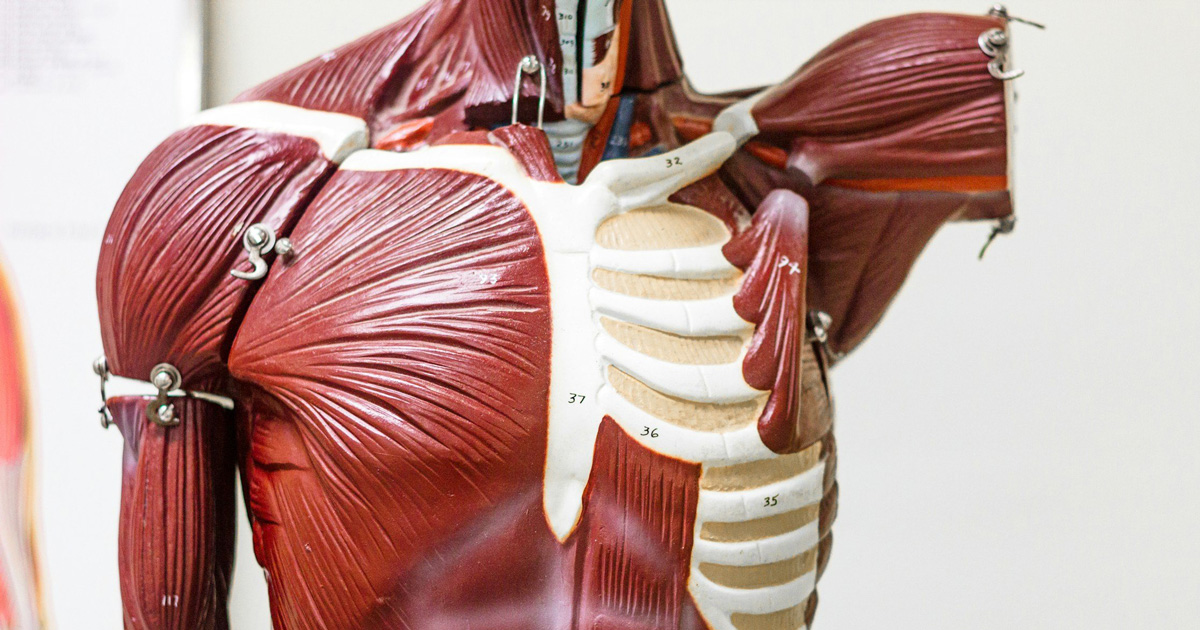
Not looking for Pelvic PT? I have been a physical therapist for over 30 years and treat a lot of pain issues from head to toe. All of those weird pains that you have had a gazillion tests for with no answers. Whether that pain is abdominal, headache, or in some other spot, I can often (not always) figure it out and treat it. I am the PT that other PTs and doctors send their weird stuff to.
Physical therapy for you or your baby to make breastfeeding easier.
Breastfeeding is hard enough. It should not be painful. Your breast should not be hurting. Your nipples should not be hurting. Sometimes it is your breast. Sometimes it is the baby. Sometimes it is both.
Schedule an appointment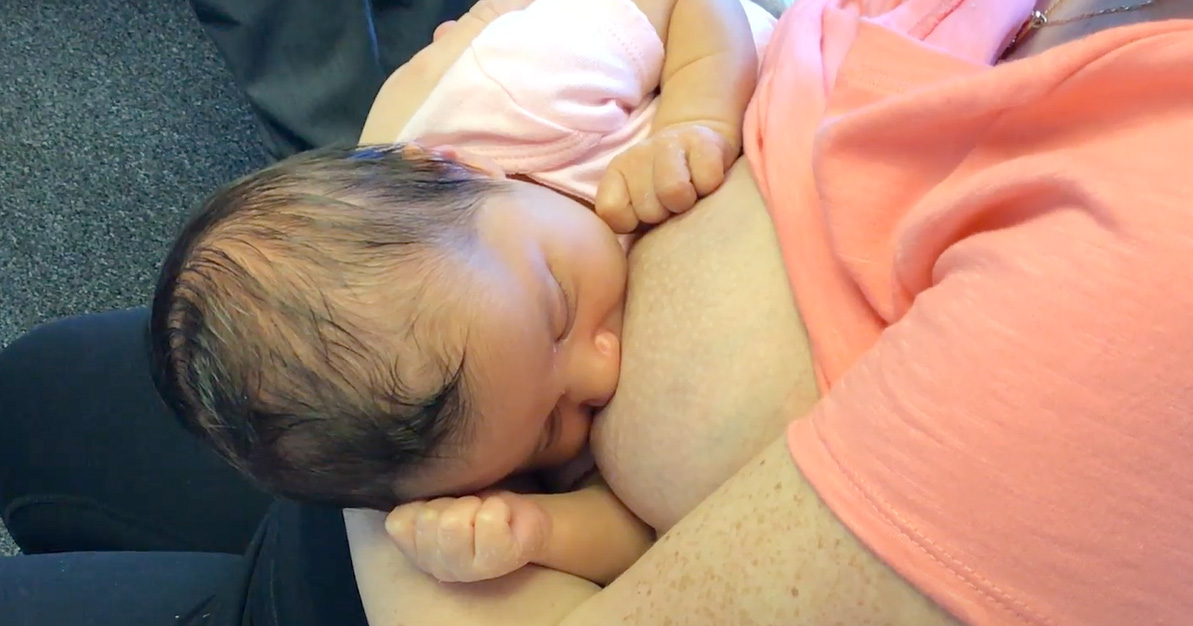
Breastfeeding should not be painful. Sometimes it is an issue with the baby. Sometimes it is an issue with the breast. PT can help mom and/or baby so breastfeeding can be successful. Breastfeeding is already hard. PT can make it easier.
Common Issues:
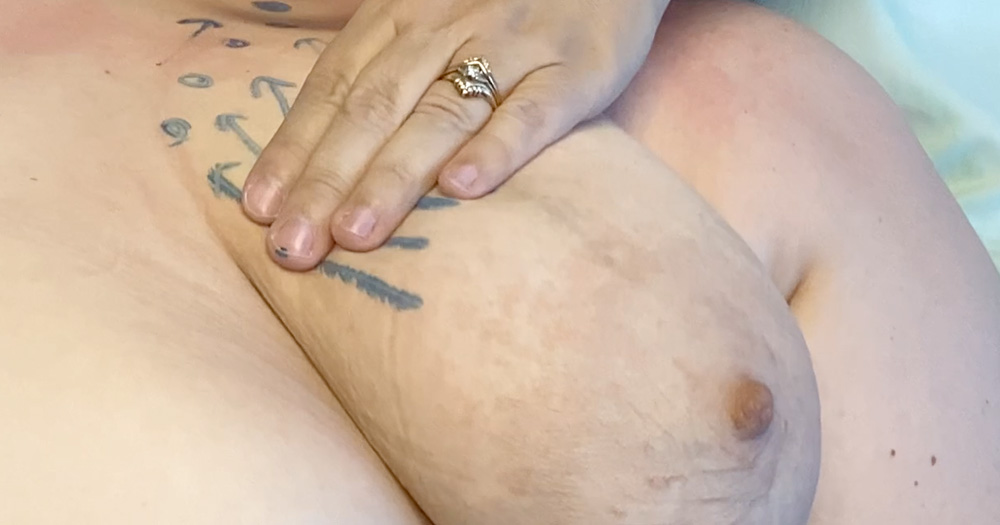
Mastitis can be an infection or just inflammation. If treated while it is just inflamed, we can often prevent the need for antibiotics. Manual lymph drainage and myofascial release can often get at the core of the issue.
Mastitis can sometimes be a result of a poor latch or pumps with a poorly fitting flange or incorrect settings. If the breast itself is not the issue, then correcting the baby’s latch or the pump can be the correct course of action.
Check out our handout about early mastitis treatment.

Infants can have issues with latching due to numerous issues. Sometimes it is because of restrictions in their own body, like torticollis or poor tongue mobility. Tension anywhere from the hips to the lips can make breastfeeding or bottle feeding more difficult.
Bladder issues are common after giving birth, whether it is by vaginal delivery or c-section. Some women suffer from stress incontinence, some frequency issues, and others have urgency. These are common, but they are NOT NORMAL. Physical Therapy can help.
This topic gets discussed the least. Most people do not want to admit that they have urgency or leakage of stool. For some it is just some smearing. For others, it is no sensation to go or a constant sensation to go, or it just feels incomplete. Guess what, there is help for this, too.

Some women have pain with sex after giving birth. They may have given birth vaginally and had tearing and now have scarring. The pain is real. The fear is real. There are gentle techniques to work on those scars and manage the pain. Don’t suffer in silence

After giving birth the bladder, cervix, or bowel can descend into the vagina. It is more common after a vaginal birth, but can also happen after a c-section. A pelvic therapist can help with a variety of techniques.

The abdominal muscles separate with pregnancy. Sometimes, they do not bounce back. In many cases, physical therapy can assist in getting the muscles to coordinate their contractions and bring the abdominal muscles back together. Other cases are more severe and may also involve hernias and require surgery. Either way, physical therapy can help regain muscle function.

Many women experience various pains after giving birth that may linger and linger. Sometimes it is a straightforward back pain. Other times it is a weird pain that gets shrugged off. There may also just be a feeling of weakness in certain muscles. There is no need to live the rest of your life like that.
Want more information about postpartum issues? This site offers a comprehensive collection of articles and podcasts covering physical recovery, pelvic health, mental well-being, breastfeeding, and infant care—designed for new parents and clinicians alike. Content ranges from practical tips for managing common symptoms and exercises to restore pelvic function, to evidence-based discussions on postpartum mood disorders and lactation challenges. Contributors include pelvic health specialists, pediatric and mental health professionals, and experienced parents, ensuring a balanced mix of clinical insight and real-world experience. Whether you’re seeking quick answers, in-depth learning, or resources to share with patients, the site’s searchable library and audio episodes
If the baby is struggling with a tongue or lip tie, I highly recommend that you take the baby to a pediatric dentist or ENT who specializes in tongue and lip ties. Strong Ties is a fantastic pediatric dentist office in Rockville.
The Nourish Project provides concise, evidence-based information on breastfeeding and bottle-feeding issues tailored for healthcare professionals, covering latch mechanics, supply management, common infant feeding behaviors, and troubleshooting for both newborns and older infants. Resources emphasize practical assessment tools, differential diagnosis of feeding problems, and clear guidance on when to escalate care or refer to lactation specialists, speech-language pathologists, or pediatric feeding teams. Content integrates up-to-date research